Protein is All You Need - Things I learned while reducing body fat.
Being fit is necessary for a good mind and longevity. It is also a complex process. The efforts needed to have a healthy body fat percentage vary by gender, age, culture, and work-life balance. Here, I share what has worked for me: some of the best methods that I have found easy to follow.
Everything I am gonna explain falls under this
A calorie deficit creates the weight loss.
A high protein diet makes sure that loss is fat, not muscle
Resistance training builds muscle, making your deficit easier
Daily steps burns extra calories with a near-zero recovery cost
Daily weigh-ins over enough time tell you whether it's actually working
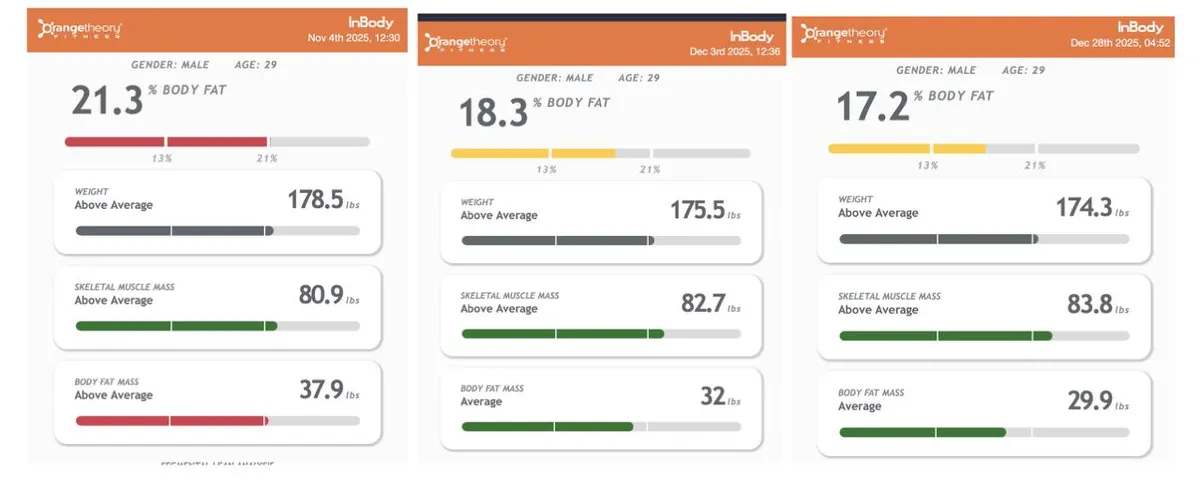
Measuring your body composition.
This is the very first thing I would recommend. There are different ways to do that. Pick one, use it as a baseline.
- Smart Scales: Least accurate and cheapest
- In-Body Composition: Better Accuracy, available in most gyms
- DEXA Scan: Most accurate, also expensive, and need to book appointments in advance.
Use this and identify your BMR, i.e., the calories you need for maintenance, and the calorie deficit you need for fat loss.
These things also give you an idea of how much body fat and muscle you have, and visceral fat percentages.
Key habits
Walking
Walking is the most underrated exercise for a healthy lifestyle. I started by walking 6k steps and now consistently finish 10k every day. Unlike HIIT workouts, walking wont cause muscle loss or fatigue, and you can do it wherever you want.
Some tips for reaching a consistent step count
- Get a walking pad and a standing desk. I attend meetings, watch videos, and read e-books while on the walking pad. You can get them on Facebook Marketplace or from Amazon for under 150.
- One more benefit of a walking pad is that you don't need to worry about the weather or dressing up; just hop on and watch some YouTube.
- Get a smartwatch or track with your smartphone. I use this app called Pedometer++ since it has a nice UI.
- Always park at a distance. I do this at work, park on higher floors, and walk to the building. This one easily adds 2k steps for me.
I watch videos of fitness influencers while on a walking pad, gaining motivation from their progress, and also learning more about healthy habits.
Eating More Protein
Diet plays a major role in fat loss. This needs a separate post on its own. Ideally you should consume 0.8g to 1g per pound of body weight. It can be from Whey, Chicken Breast, Greek Yogurt, and other plant-based protein sources. There are plenty of fitness influence-rs who eat only vegetarian food for high protein diet.